
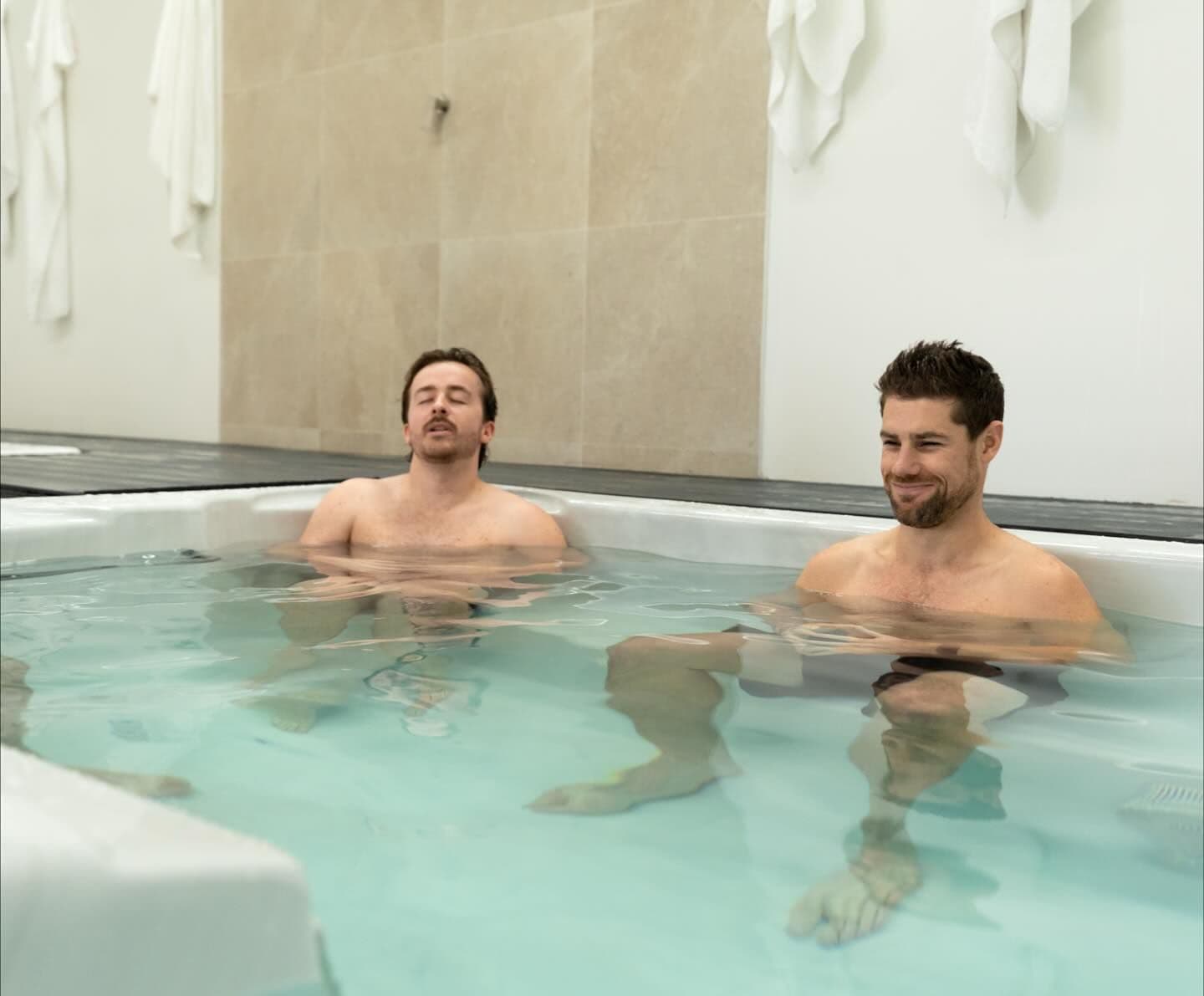
5 Signs You Need Recovery More Than Another Workout
- /
- Blog
- /
- 5 Signs You Need Recovery More Than Another Workout
Published on 10th of March, 2026
5 Signs You Need Recovery More Than Another Workout
Training consistently is one of the best ways to improve strength, fitness, and long-term health. Strength training, group training, and regular movement help build resilience and confidence in the body. But more training is not always the solution when progress stalls or fatigue builds.
Many people respond to low energy, slower results, or discomfort by pushing harder. In reality, these are often signs that the body needs recovery rather than another intense workout.
At InnerFit, recovery is treated as a core part of training. It supports performance, consistency, and overall well-being, rather than sitting on the sidelines as an optional extra.
Here are five clear signs that recovery should take priority.
1. You Feel Constantly Fatigued
Feeling tired after a workout is normal. Feeling drained most days is not.
If energy levels stay low even when training regularly, the nervous system may be under sustained stress. This type of fatigue often builds gradually and can be easy to overlook, especially for people who enjoy staying active.
Common signs include low daily energy, poor concentration, reduced motivation to train, and reliance on caffeine to get through workouts.
Recovery helps shift the body out of a constant stress response. Services like infrared sauna and float therapy support nervous system regulation and relaxation, helping restore energy levels over time.
2. Your Training Progress Has Stalled
Strength and fitness improvements depend on the body adapting to training stress. When recovery is limited, those adaptations slow down.
If workouts feel harder than usual, weights feel heavier without increasing load, or progress has plateaued for weeks, the issue is often accumulated fatigue rather than poor effort.
Recovery supports circulation, tissue repair, and nervous system balance. This allows the body to respond to training more effectively instead of simply coping with it.
Contrast therapy and red light therapy are commonly used to support recovery between sessions and help reduce the physical load of frequent training.
3. You Are Dealing With Ongoing Tightness or Niggles
Persistent tightness or recurring aches are signals that the body is struggling to keep up with training demands.
These issues often appear in the lower back, hips, shoulders, knees, or neck. While occasional soreness is normal, ongoing discomfort should not be ignored.
Recovery services help reduce muscular tension and joint stress, supporting better movement and comfort during training. Float therapy in particular reduces compression through the body and encourages deep relaxation, allowing muscles to release.
Using recovery proactively can help prevent minor issues from becoming training interruptions.
4. Your Sleep Quality Has Declined
Sleep plays a critical role in recovery, performance, and mental well-being. Training load, stress, and lifestyle factors can all impact sleep quality.
Signs of compromised sleep include difficulty falling asleep, waking frequently during the night, or feeling unrefreshed in the morning despite adequate sleep time.
Recovery supports sleep by calming the nervous system and promoting relaxation. Many people notice improved sleep quality when services like sauna or float therapy become part of their routine.
Better sleep supports better training outcomes with less effort.
5. Training Feels Mentally Draining
Training stress is not only physical. Mental fatigue can build quickly, particularly during busy or demanding periods of life.
When training feels like a chore rather than something enjoyable, it is often a sign that balance is missing. Mental burnout can show up as reduced motivation, irritability, or feeling overwhelmed by workouts.
Recovery offers a way to stay engaged with health and wellbeing without adding more physical stress. A recovery session can provide both physical relief and mental reset.
Recovery Is Where Progress Happens
Training creates the stimulus for change. Recovery is where the body adapts.
Strength gains, improved fitness, and resilience all depend on adequate recovery. Without it, training becomes harder to sustain and less effective over time.
At InnerFit, recovery supports a broader training ecosystem that includes strength training, group training, Pilates, personal training, and exercise physiology.
Recovery Services at InnerFit
InnerFit offers a range of recovery services designed to support training, reduce fatigue, and improve overall well-being.
Massage
- Massage helps reduce muscle tension, improve circulation, and support recovery from training and daily stress. It is commonly used to manage tight areas and improve how the body feels and moves.
Float Therapy
- Float therapy allows the body to fully relax by removing gravity and external stimulation. It supports nervous system recovery, reduces muscular guarding, and helps improve sleep quality and mental clarity.
Private Contrast Therapy
- Contrast therapy alternates between hot and cold exposure to support circulation and recovery. It is often used to reduce fatigue, manage soreness, and help the body feel refreshed after training.
Normatec Compression Therapy
- Normatec compression uses rhythmic air pressure to support circulation and lymphatic flow. It helps reduce heaviness in the legs and supports recovery between training sessions.
Infrared Sauna
- Infrared sauna supports relaxation, circulation, and muscle recovery through gentle heat. It is commonly used to reduce stiffness, manage stress, and support overall recovery.
Red Light Therapy
- Red light therapy supports cellular recovery by stimulating natural repair processes in the body. It is used to support muscle recovery, joint health, and general well-being.
How to Use Recovery Strategically
Recovery does not mean stopping training altogether. It means adjusting priorities to support consistency.
For many people, this includes adding one or two recovery sessions per week, using recovery during deload periods, or prioritising recovery during high stress phases of life.
Recovery is most effective when used consistently rather than only after burnout sets in.
If you feel constantly tired, stuck, sore, or mentally drained, pushing harder is rarely the answer.
Recovery supports training, improves performance, and helps the body adapt to stress. Sometimes the smartest choice for progress is recovery rather than another workout.
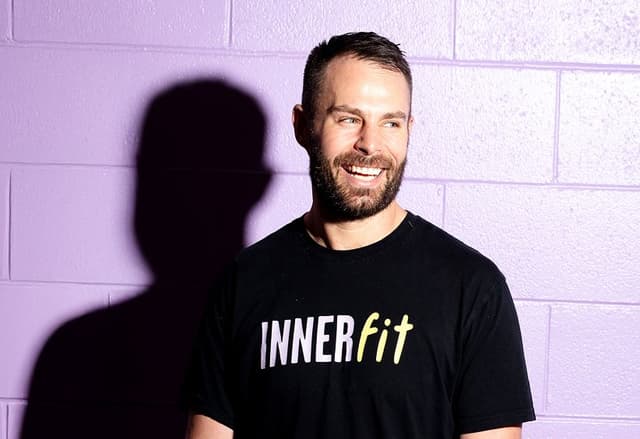
Scott: Director, Coach
“Consistency is the key to success.”
With over 15 years of experience, Scott takes a functional, no-nonsense approach to training—focusing on quality movement, strength, and overall well-being. He loves sharing his knowledge to help clients reach their goals and improve mobility. When he has the time, Scott also enjoys writing about topical fitness and wellness subjects.