
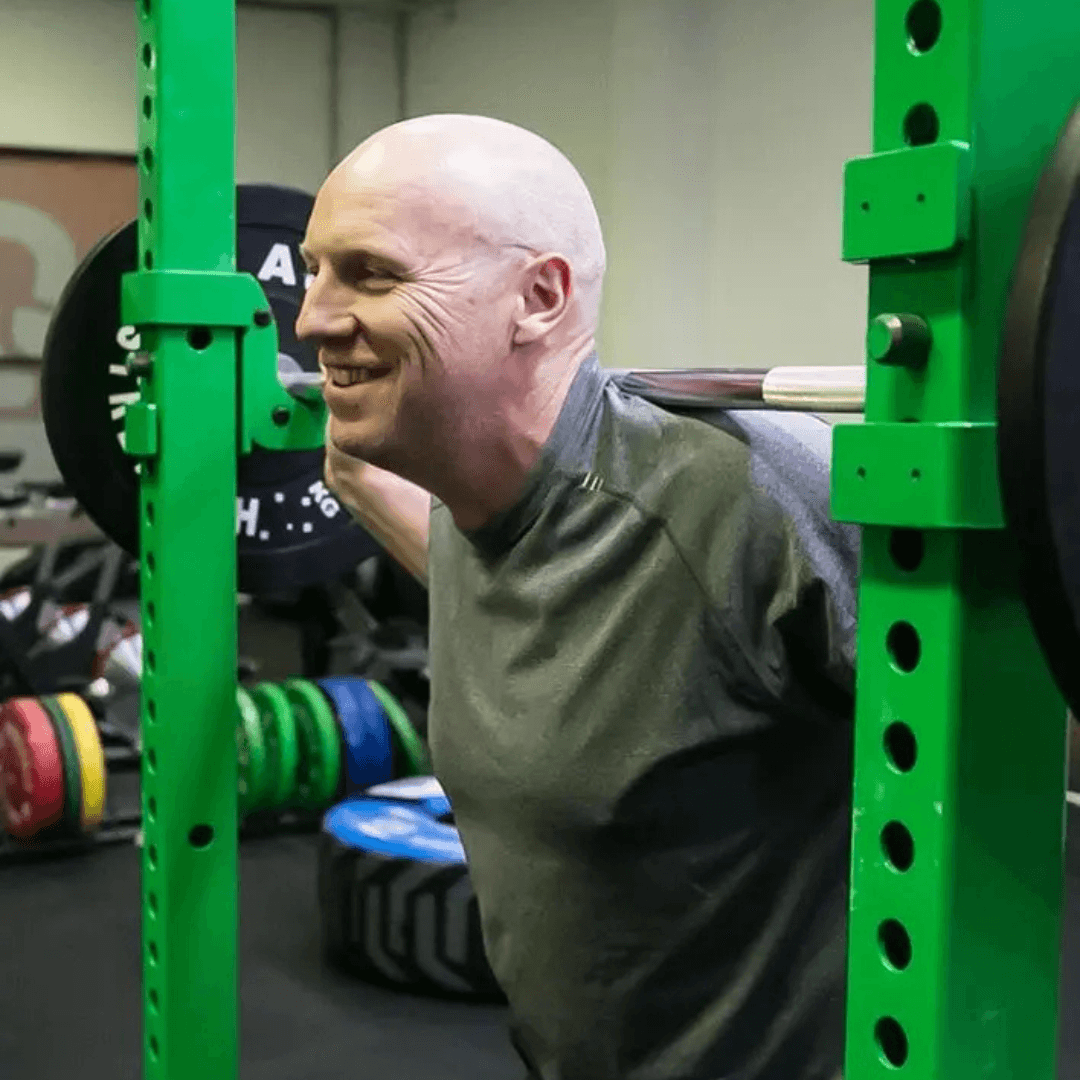
The Difference Between Exercise Physiology and Physiotherapy
- /
- Blog
- /
- The Difference Between Exercise Physiology and Physiotherapy
Published on 28th of May, 2026
A lot of people are unsure about the difference between exercise physiology and physiotherapy.
Both services help people move better, recover from injuries, and improve physical function, which is why they are often confused. However, they play different roles in the recovery and training process.
Understanding the difference between physiotherapy and exercise physiology can help you choose the right support for your goals, injury, or stage of recovery.
At InnerFit, exercise physiology is used to help people rebuild strength, improve movement, and confidently return to training after injury or physical setbacks.
What is physiotherapy?
Physiotherapy focuses on diagnosing injuries, reducing pain, and restoring movement during the early stages of recovery.
Physiotherapists often work with people who are experiencing acute pain, recent injuries, or movement restrictions. Treatment may include hands-on therapy, mobility work, rehabilitation exercises, and pain management strategies.
The primary goal of physiotherapy is usually to reduce symptoms and improve basic movement and function.
What is exercise physiology?
Exercise physiology focuses on using structured, evidence-based exercise to improve physical function, strength, and long-term movement capacity.
Exercise physiologists design progressive exercise programs that help people recover from injury, manage chronic conditions, and return to exercise safely.
The focus is often on rebuilding strength, improving movement quality, and increasing confidence with training over time.
Exercise physiology is commonly used for:
- Injury rehabilitation
- Chronic pain management
- Return to exercise programs
- Strength and conditioning
- Long-term health management
- Performance support for active individuals and athletes
What is the biggest difference between physiotherapy and exercise physiology?
The biggest difference is often the stage of recovery each service focuses on.
Physiotherapy is usually more focused on the early stages of injury management and pain reduction.
Exercise physiology is typically focused on the next stage, helping people rebuild strength, restore confidence, and return to long-term activity or training.
In simple terms:
Physiotherapy often helps you feel better initially. Exercise physiology helps you become stronger and more capable long term.
Can physiotherapy and exercise physiology work together?
Yes, and they often do.
Many people begin with physiotherapy when pain or injury is more acute. Once movement improves and symptoms become more manageable, exercise physiology helps continue the recovery process through structured strength and movement programs.
The two services can complement each other extremely well.
This is particularly important for people who want to return to sport, gym training, or regular physical activity after injury.
When should you see a physiotherapist?
Physiotherapy may be helpful if you are:
- Experiencing acute pain
- Recovering from a recent injury
- Struggling with restricted movement
- Needing diagnosis or early-stage rehabilitation
- Managing swelling or inflammation after injury
Physiotherapy is often the first step when symptoms are severe or movement is significantly limited.
When should you see an exercise physiologist?
Exercise physiology may be more appropriate if you are:
- Ready to rebuild strength after injury
- Returning to exercise or sport
- Managing chronic pain or long-term conditions
- Wanting a structured rehabilitation program
- Looking to improve movement confidence
- Trying to prevent recurring injuries
Exercise physiology focuses heavily on progression, consistency, and long-term function.
Why is strength important during recovery?
One of the biggest missing pieces in many rehabilitation journeys is rebuilding strength properly.
Pain reduction alone does not always prepare the body for long-term movement demands. Without rebuilding strength and movement capacity, injuries are more likely to return.
Exercise physiology helps bridge the gap between rehabilitation and full return to activity.
This is particularly important for active individuals who want to continue training safely.
Can exercise physiology help athletes?
Yes.
Exercise physiology is not only for injury recovery or chronic pain. It can also help athletes and active individuals improve movement efficiency, strength, stability, and performance.
Programs can be tailored to support sport-specific training while also reducing injury risk.
At InnerFit, exercise physiology is often integrated with strength training, recovery, and movement-focused services to support long-term performance.
What does exercise physiology look like at InnerFit?
At InnerFit, exercise physiology focuses on helping people move confidently and train sustainably.
Programs are tailored to the individual and may include:
- Strength training
- Mobility work
- Movement retraining
- Injury rehabilitation exercises
- Performance-based programming
- Long-term movement support
The goal is not only recovery, but helping people return to training stronger and more resilient.
Book A 15 Minute Consultation with our Exercise Physiologists
Physiotherapy and exercise physiology both play important roles in recovery and long-term health, but they focus on different stages of the process.
Physiotherapy is often focused on pain relief and early-stage recovery, while exercise physiology focuses on rebuilding strength, movement, and long-term physical capacity.
Understanding the difference helps people choose the right support and continue progressing beyond the initial stages of recovery.
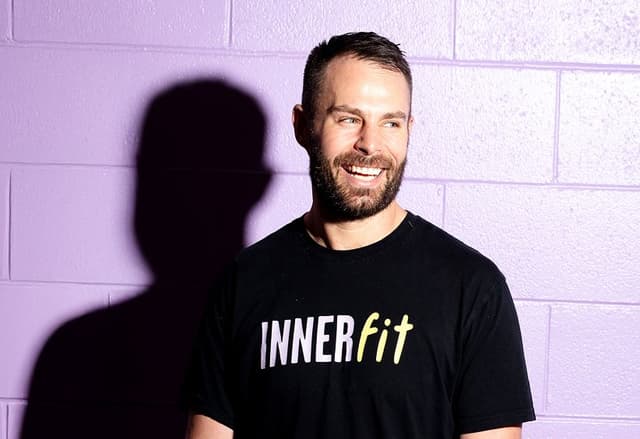
Scott: Director, Coach
“Consistency is the key to success.”
With over 15 years of experience, Scott takes a functional, no-nonsense approach to training—focusing on quality movement, strength, and overall well-being. He loves sharing his knowledge to help clients reach their goals and improve mobility. When he has the time, Scott also enjoys writing about topical fitness and wellness subjects.