
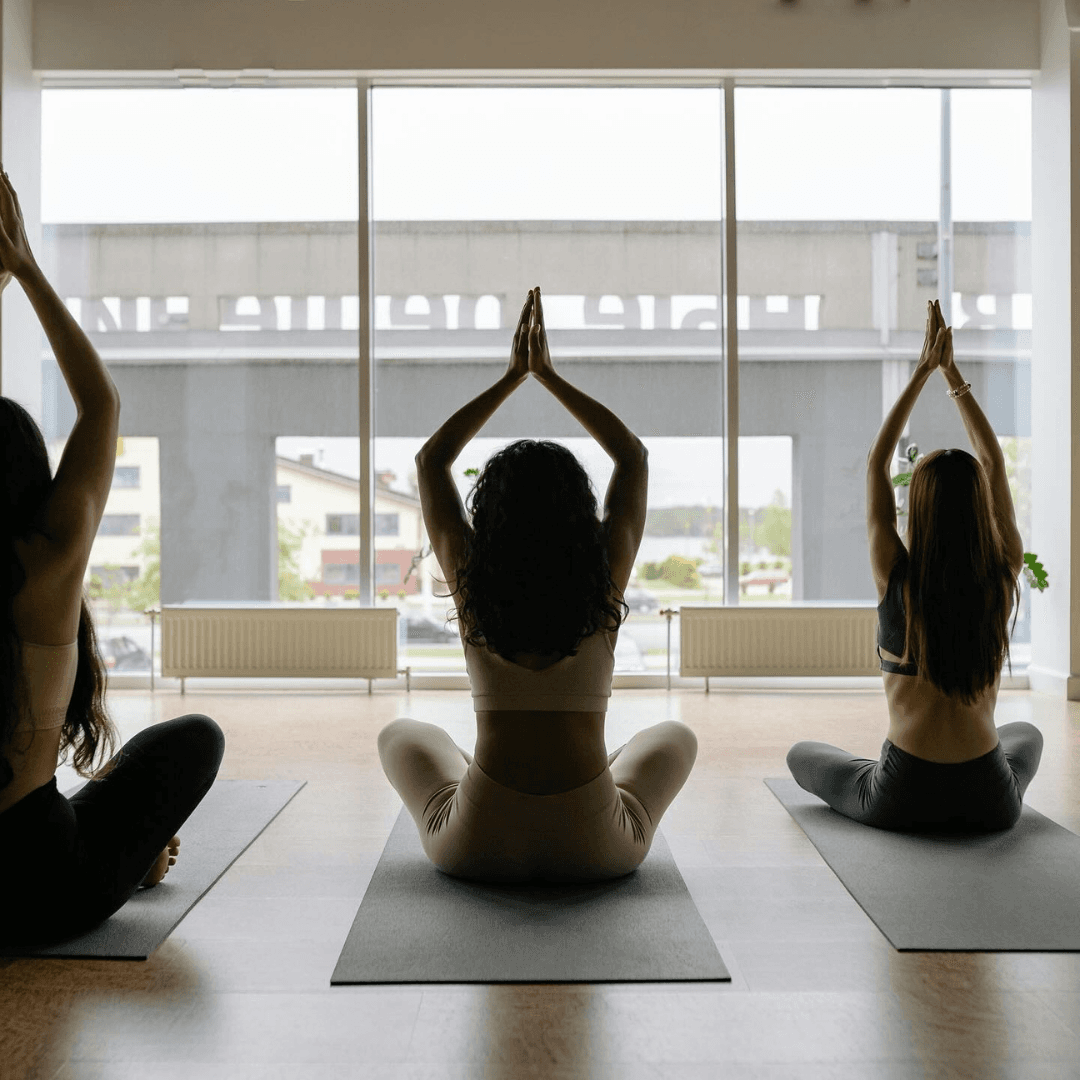
Pilates for Strength and Posture: Why It Works for Desk Workers
- /
- Blog
- /
- Pilates for Strength and Posture: Why It Works for Desk Workers
Published on 10th of March, 2026
Spending long hours at a desk has become a normal part of modern life. Many people sit for most of the day, move very little between meetings, and finish work already feeling tight, stiff, or uncomfortable. Over time, this routine can take a toll on posture, strength, and overall movement quality.
Neck tension, rounded shoulders, lower back discomfort, and reduced core strength are common complaints among desk workers. While regular exercise helps, not all training addresses the specific demands and stresses created by prolonged sitting.
Pilates is particularly effective for desk workers because it focuses on strength, posture, and control in a way that directly counters the effects of sedentary work.
At InnerFit, Pilates is used to help desk-based professionals build strength, improve posture, and move more comfortably both at work and in training.
How Desk Work Affects Posture and Strength
Sitting for long periods encourages the body to be in sustained flexed positions. Over time, this can lead to predictable patterns.
Common postural changes include forward head position, rounded shoulders, reduced upper back mobility, and weakened glutes and deep core muscles. These changes are not just visual. They affect how the body moves, stabilises, and produces force.
When posture is compromised, strength training and daily movement often become less efficient. The body compensates, placing extra strain on joints and muscles that are already overloaded.
Pilates addresses these patterns by strengthening postural muscles and improving how the body organises itself against gravity.
Why Pilates Is Different From General Exercise
Pilates is not simply stretching or light exercise. It is a structured strength-based system that focuses on controlled movement, alignment, and stability.
Instead of isolating muscles for appearance, Pilates trains how muscles work together to support posture and movement. This is particularly valuable for desk workers who spend much of the day in static positions.
Pilates builds strength through controlled ranges of motion, encouraging better spinal positioning and muscular balance. This makes it highly transferable to daily activities and other forms of training.
Core Strength That Supports Posture
A strong core is essential for good posture, but core strength is often misunderstood.
For desk workers, the issue is not a lack of abdominal effort, but a lack of deep trunk control. Sitting reduces the natural activation of muscles that stabilise the spine and pelvis.
Pilates focuses on strengthening these deep muscles, including those that support spinal alignment and pelvic control. This improves posture without creating unnecessary tension.
As core strength improves, sitting posture becomes easier to maintain and standing feels more supported rather than strained.
Improving Upper Body Position and Shoulder Health
Desk work places significant demand on the neck, shoulders, and upper back. Screens positioned forward encourage rounded shoulders and reduced upper back movement.
Pilates includes movements that strengthen the muscles responsible for holding the shoulders in a more neutral position. It also improves mobility through the upper spine, allowing the body to move out of rigid postures.
This combination of strength and mobility helps reduce neck and shoulder tension and improves how the upper body feels during the workday.
Building Strength Without Adding More Stress
Many desk workers turn to high intensity workouts to counteract long days of sitting. While these sessions can feel productive, they often add more stress without addressing underlying movement issues.
Pilates provides a strength stimulus without excessive fatigue. Movements are controlled, purposeful, and designed to improve how the body functions rather than simply exhausting it.
This makes Pilates a sustainable option for people managing busy schedules and high mental workloads.
How Pilates Supports Strength Training for Desk Workers
Pilates does not replace strength training. It enhances it.
For desk workers who lift weights or attend group training, Pilates helps improve lifting technique, stability, and confidence. Better posture and core control translate directly into improved performance in the gym.
Pilates also helps reduce compensations that can develop from prolonged sitting, making strength training feel smoother and more effective.
When combined with strength training, Pilates supports balanced development and long term consistency.
Why Small Group Pilates Works Well
Small group Pilates allows for coaching and attention to detail while maintaining a supportive environment.
For desk workers, this format ensures exercises are performed with good technique and appropriate progressions. It also allows instructors to cue posture and alignment in a way that larger classes often cannot.
At InnerFit, small group Pilates sessions focus on quality movement and gradual progression, making them suitable for beginners and experienced trainees alike.
Common Improvements Desk Workers Notice With Pilates
Many desk based professionals report noticeable changes within weeks of consistent Pilates practice.
Common improvements include better sitting posture, reduced stiffness in the neck and lower back, improved awareness of body position, and increased strength through the core and hips.
These changes often carry over into daily life, making long workdays more comfortable and reducing the urge to constantly stretch or shift positions.
Who Pilates Is Most Useful For
Pilates is particularly beneficial for people who spend long hours sitting, work at a computer, or experience postural fatigue throughout the day. It is also valuable for those returning to exercise after time off or managing recurring tension.
Pilates supports strength and posture without requiring long sessions or excessive intensity, making it accessible for busy professionals.
Pilates at InnerFit
At InnerFit, Pilates is delivered as part of an integrated training approach that includes strength training, group training, personal training, recovery services, and exercise physiology support.
Pilates sessions are designed to improve posture, control, and strength in a way that supports both daily life and training goals.
Explore Our Group Pilates Classes
Desk work places unique demands on the body that general exercise does not always address.
Pilates improves posture, builds strength, and supports better movement for people who spend long hours sitting. It helps the body feel more supported, balanced, and capable both at work and in training.
For desk workers, Pilates is not just a workout. It is a practical tool for building strength and posture that lasts beyond the studio.
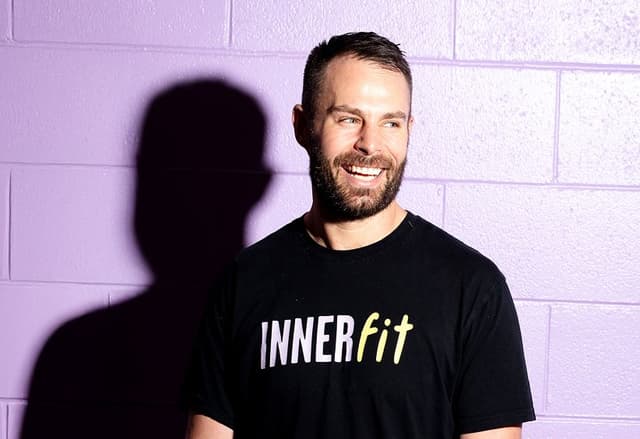
Scott: Director, Coach
“Consistency is the key to success.”
With over 15 years of experience, Scott takes a functional, no-nonsense approach to training—focusing on quality movement, strength, and overall well-being. He loves sharing his knowledge to help clients reach their goals and improve mobility. When he has the time, Scott also enjoys writing about topical fitness and wellness subjects.