

How Do You Recover After Hyrox Training?
- /
- Blog
- /
- How Do You Recover After Hyrox Training?
Published on 15th of June, 2026
We’re seeing Hyrox everywhere right now. From social media to people in the community, more and more people are training for it, talking about it, or at least curious about it. It’s a tough mix of running and strength, and it’s pushing people in a different way compared to traditional gym training.
Even if you’re not doing Hyrox yourself, this style of training is influencing how people train. More intensity, more volume, and more demand on the body.
So the question becomes, how do you actually recover from it?
At InnerFit, this is something we’re seeing more and more. People are training hard, but not always recovering well.
What is Hyrox?
Hyrox is a global fitness race that combines running with functional strength workouts. Participants complete a series of running intervals, each followed by a different workout station such as sled pushes, rowing, or lunges.
According to HYROX, the format is designed to test both strength and endurance in a consistent race structure that is the same across events worldwide.
What makes Hyrox different is that it sits somewhere between endurance racing and strength training. You are constantly moving between running and functional exercises, often with limited rest, which places a high demand on the body.
This is why recovery becomes such an important part of training for it. The combination of volume, intensity, and repetition can lead to significant fatigue if it is not managed properly.
Why does Hyrox training feel so demanding?
Hyrox style training combines strength and endurance under fatigue.
You’re not just lifting weights. You’re also running, repeating efforts, and pushing through with limited rest. That creates a high level of stress on both the muscular system and the cardiovascular system.
Over time, this can lead to accumulated fatigue if recovery is not managed properly.
Why is recovery so important?
Training is only one part of progress. Recovery is where the body actually adapts.
Without proper recovery, the body does not rebuild effectively. Instead of getting stronger or fitter, people often feel stuck, sore, or run down.
Good recovery allows you to:
- Maintain performance across sessions
- Reduce soreness and stiffness
- Support energy levels
- Train consistently week to week
Consistency is what drives results, not just intensity.
What are the signs you’re not recovering enough?
A lot of people ignore the early signs and keep pushing. Some of the most common ones we see include:
- Constant muscle soreness
- Feeling flat or heavy during workouts
- Drop in performance
- Poor sleep or low energy
- Loss of motivation to train
These are signs that recovery is not keeping up with training.
What does good recovery actually look like?
Recovery is not just about taking a day off. It is about supporting the body between sessions. This includes:
- Getting enough sleep
- Staying hydrated
- Eating to support your training
- Managing how often and how hard you train
It is also about including strategies that help the body reset and reduce accumulated fatigue.
How can you recover faster between sessions?
When training volume is high, recovery needs to be more intentional. It is not just about resting, it is about actively supporting the body between sessions so you can keep performing.
This is where structured recovery methods can help.
Infrared sauna
Infrared sauna can help reduce muscle stiffness and promote relaxation after training. The heat supports circulation, which can help the body recover between sessions and feel less tight or fatigued.
Contrast therapy
Contrast therapy involves alternating between hot and cold exposure. This helps stimulate circulation and can reduce the feeling of soreness after intense training. It is particularly useful when sessions are close together.
Float therapy
Float therapy removes external pressure and stimulation, allowing the body and nervous system to fully switch off. This can help reduce overall fatigue, improve recovery, and support better sleep.
Mobility and Pilates
Mobility work and Pilates help improve movement quality and reduce tension built up from training. This supports better technique, reduces strain on the body, and helps prevent ongoing stiffness or overload.
These are simple ways to support the body so you can keep training consistently without feeling constantly fatigued.
Do you need recovery if you’re not doing Hyrox?
You do not need to be training for Hyrox to feel this.
A lot of people are now combining strength training, conditioning, and multiple sessions per week. The overall training load is higher than it used to be.
The same recovery principles apply. If you are training regularly, recovery becomes a key part of staying consistent.
Hyrox might be the trend right now, but the bigger shift is how people are training. More intensity, more volume, and more demand on the body. Recovery is what allows that training to actually work.
If you want to train hard and keep progressing, you need to recover just as well.
SOURCES
- HYROX: https://hyrox.com/
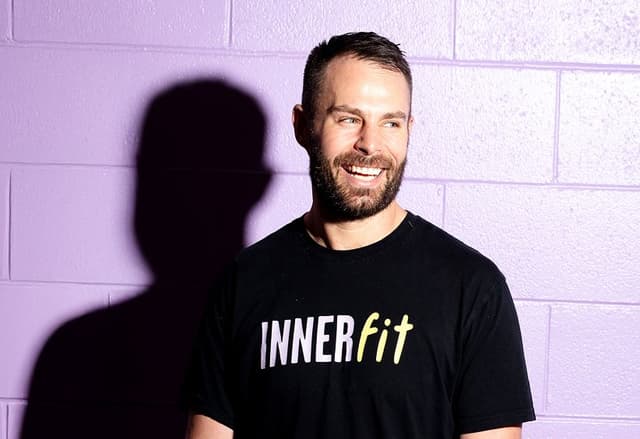
Scott: Director, Coach
“Consistency is the key to success.”
With over 15 years of experience, Scott takes a functional, no-nonsense approach to training—focusing on quality movement, strength, and overall well-being. He loves sharing his knowledge to help clients reach their goals and improve mobility. When he has the time, Scott also enjoys writing about topical fitness and wellness subjects.