

How to Build a Workout Routine You Can Actually Stick To
- /
- Blog
- /
- How to Build a Workout Routine You Can Actually Stick To
Published on 25th of May, 2026
A lot of people start training with good intentions. New program, new goals, fresh motivation. Then life gets busy, routines change, motivation drops, and the plan becomes harder to maintain.
The problem is usually not a lack of discipline. Most of the time, the routine simply was not realistic to begin with.
One of the biggest mistakes people make is creating workout routines that look good on paper but do not fit into real life.
At InnerFit, the focus is on building sustainable training habits that people can maintain consistently, not just for a few weeks, but long term.
Because the best workout routine is not the most extreme one. It is the one you can actually stick to.
Why do most workout routines fail?
Workout routines can fail because they are too ambitious too quickly.
People often go from doing very little exercise to trying to train six days a week with high-intensity sessions. While motivation may be high at the start, that level of training is difficult to maintain long-term.
Eventually, fatigue builds, schedules become harder to manage, and consistency drops.
Sustainable routines work because they fit into daily life instead of competing against it.
How many days per week should you train?
This is one of the most common questions people ask.
The truth is that there is no perfect number for everyone. The right amount depends on goals, training history, recovery capacity, work schedule, and lifestyle.
For many people, three to four quality sessions per week is enough to build strength, improve fitness, and see consistent progress.
A structured routine might include:
- Monday: Strength training
- Wednesday: Strength training
- Friday: Strength training
- Optional Pilates or recovery session during the week
This gives the body enough stimulus to improve while still allowing time for recovery.
Why is consistency more important than intensity?
Consistency is what produces long-term results.
Training extremely hard for two weeks before burning out is far less effective than following a manageable routine consistently over months and years.
This is why realistic programming matters.
A routine that fits your lifestyle will always outperform a perfect plan that cannot be maintained.
What should your workout routine include?
A balanced workout routine should support strength, movement quality, recovery, and overall fitness.
For many people, this includes:
- Strength training
- Mobility or Pilates work
- Recovery sessions
- Rest days between harder sessions
Strength training builds muscle, stability, and long-term physical resilience.
Mobility and Pilates help improve movement quality, posture, and control.
Recovery supports consistency and helps manage fatigue between sessions.
Why does recovery matter so much?
A common mistake is focusing only on training and ignoring recovery.
The body adapts and improves during recovery, not just during workouts. Without enough recovery, soreness, fatigue, and lack of motivation often increase.
Recovery can include:
- Sleep
- Hydration
- Nutrition
- Mobility work
- Infrared sauna
- Contrast therapy
- Float therapy
At InnerFit, recovery is treated as part of the training process, not something separate from it.
Should your routine change during busy periods?
Yes.
One of the reasons people fall out of routines is because they try to maintain the same training schedule during every season of life.
Work stress, family commitments, travel, and energy levels all affect recovery and consistency.
Sometimes maintaining progress means adjusting the routine temporarily rather than stopping completely.
During busier periods, reducing sessions slightly while maintaining consistency is often far more effective than pushing too hard and burning out.
How do you stay motivated long term?
Motivation comes and goes. Structure and routine are what keep people progressing long term.
Some ways to improve consistency include:
- Training at the same time each week
- Following a structured program
- Having coaching or accountability
- Setting realistic goals
- Tracking progress over time
Small wins build momentum and help training become part of your lifestyle rather than something temporary.
Why do structured programs work better?
Structured programs remove guesswork.
Instead of constantly changing workouts or training randomly, structured plans allow gradual progression over time.
This helps improve strength, confidence, and consistency while reducing the risk of injury or burnout.
At InnerFit, programs are designed around sustainable progress, helping members build routines that support long-term health and performance.
What does a sustainable workout routine actually look like?
A sustainable routine is one that:
- Fits into your schedule
- Supports recovery
- Feels challenging but manageable
- Allows flexibility when life gets busy
- Can be maintained consistently
This looks different for everyone.
For some people, it may mean three strength sessions per week. For others it may include Pilates, recovery sessions, or personal training support.
The key is building a routine that works with your lifestyle rather than against it.
Claim Our Intro Offer
The best workout routine is not the hardest one.
It is the routine you can realistically maintain long-term.
Consistency, recovery, and structure will always produce better results than short periods of extreme motivation.
By building a routine that fits your lifestyle and supports your goals, training becomes something sustainable rather than something you constantly need to restart.
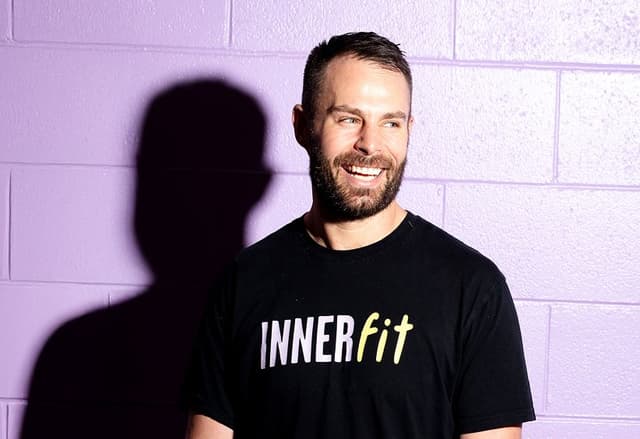
Scott: Director, Coach
“Consistency is the key to success.”
With over 15 years of experience, Scott takes a functional, no-nonsense approach to training—focusing on quality movement, strength, and overall well-being. He loves sharing his knowledge to help clients reach their goals and improve mobility. When he has the time, Scott also enjoys writing about topical fitness and wellness subjects.