
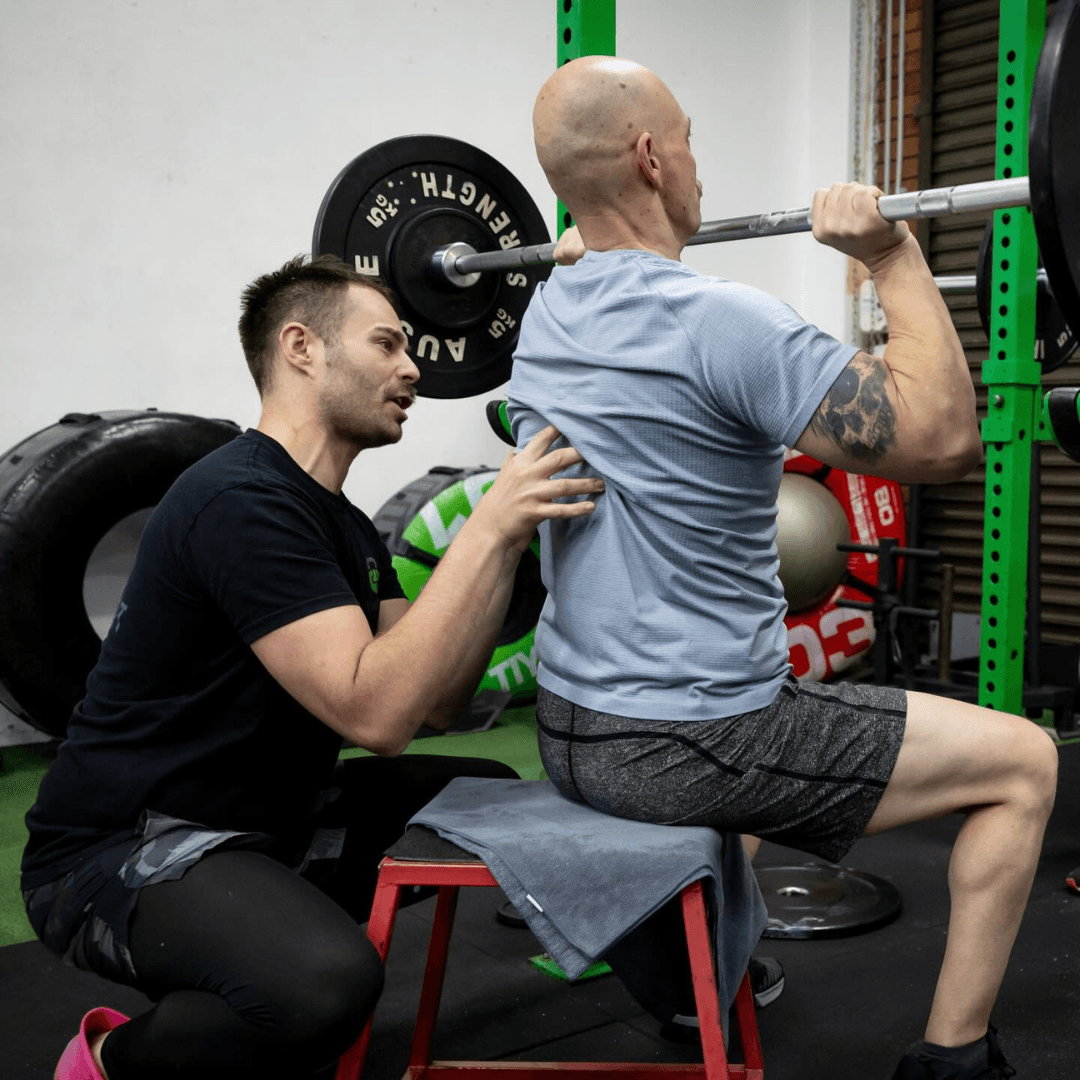
Exercise Physiology vs Personal Training: Which One Do You Need?
- /
- Blog
- /
- Exercise Physiology vs Personal Training: Which One Do You Need?
Published on 21st of January, 2026
When you are trying to improve your health, fitness, or performance, choosing the right support can make a huge difference. Two of the most common options people consider are exercise physiology and personal training. While they may look similar on the surface, they serve different purposes and suit different needs.
At InnerFit Leichhardt, both exercise physiologists and personal trainers play an important role in helping members move better, feel stronger, and achieve long-term results. Understanding the difference between the two helps you choose the right pathway and avoid frustration, setbacks, or wasted time.
This guide breaks down what exercise physiology and personal training involve, how they differ, and how to know which one is right for you.
What Is Exercise Physiology?
Exercise physiology focuses on using clinical exercise prescription to manage injuries, chronic conditions, pain, and movement limitations. Exercise physiologists are university-qualified allied health professionals who work with people requiring a more structured and medically informed approach to exercise.
Exercise physiology is commonly used for:
- Injury rehabilitation
- Chronic pain management
- Post-surgery recovery
- Back, knee, shoulder, or hip pain
- Postural and movement dysfunction
- Chronic health conditions such as diabetes, arthritis, or cardiovascular disease
An exercise physiologist assesses how your body moves, identifies underlying issues, and designs a program that improves function while reducing pain and risk.
At InnerFit, exercise physiology is often the first step for people who feel unsure about returning to training or who have tried exercise in the past without success due to pain or injury.
Explore Exercise Physiology Here
What Is Personal Training?
Personal training focuses on performance, fitness goals, and consistency. A personal trainer helps you build strength, improve fitness, stay accountable, and progress toward specific goals such as fat loss, muscle gain, or improved performance.
Personal training is commonly used for:
- Strength and conditioning
- Fat loss or body composition goals
- Improving fitness and endurance
- Building training consistency
- Learning correct technique
- Accountability and motivation
Personal trainers are ideal for people who are generally healthy, want guidance in the gym, and need structure and support to stay consistent.
At InnerFit Leichhardt, personal training is personalised, goal-driven, and often integrated with recovery and wellness services to support long-term progress.
The Key Differences Between Exercise Physiology and Personal Training
While both use exercise as the primary tool, the focus and application are different.
Exercise Physiology:
- Clinical and rehabilitation-based
- Injury and pain-focused
- Movement assessment-driven
- Often used when pain or limitations are present
- Designed to restore function and confidence
Personal Training:
- Goal and performance focused
- Fitness, strength, and conditioning-based
- Progression driven by training outcomes
- Ideal for healthy individuals
- Designed to improve fitness and consistency
Neither is better than the other. They simply serve different purposes.
How to Know Which One You Need
Choose Exercise Physiology If:
- You have ongoing pain or recurring injuries
- You are returning to training after surgery or injury
- You feel unsure or anxious about exercise
- You experience pain during or after workouts
- You have been told exercise “doesn’t work” for you
- You want professional guidance to move safely
Exercise physiology provides a structured, supportive environment to rebuild strength and confidence without pushing too hard, too fast.
Choose Personal Training If:
- You are injury-free or medically cleared
- You want to improve strength or fitness
- You struggle with motivation or consistency
- You want structure and accountability
- You enjoy training but need guidance
Personal training is ideal for people who want to train efficiently, progress steadily, and stay on track with their goals.
Can You Use Both? Yes, and Many People Do
One of the biggest advantages of InnerFit’s model is that exercise physiology and personal training work together, not separately.
Many members start with exercise physiology to:
- Address pain
- Improve movement quality
- Build confidence
Then transition into personal training once their body feels stronger and more capable.
Others continue to use both at the same time. For example:
- Exercise physiology for rehabilitation or pain management
- Personal training for strength and fitness progression
This combined approach supports long-term success and reduces the risk of setbacks.
The Role of Recovery in Both Approaches
Both exercise physiology and personal training are most effective when paired with recovery. Services, such as the ones below, help reduce muscle tension, manage inflammation, and support nervous system recovery.:
- Infrared sauna
- Massage therapy
- Float therapy
- Contrast therapy
- Red light therapy
At InnerFit, recovery is often integrated into programs to help people stay consistent and feel better between sessions.
Why Many People Choose Exercise Physiology First
A common mistake people make is jumping straight into intense training when their body is not ready. This often leads to pain, frustration, or quitting altogether.
Exercise physiology helps bridge the gap between inactivity or injury and confident training. It creates a strong foundation so that when you do move into personal training or group training, your body can handle it.
This is especially valuable for:
- People over 30 returning to training
- Desk workers with chronic pain
- Runners dealing with recurring niggles
- People who have tried and failed multiple fitness programs
The 15-Minute Exercise Physiology Consult at InnerFit
To make this decision easier, InnerFit offers a 15-minute initial exercise physiology consult. This is designed to:
- Assess your current situation
- Discuss pain, injury, or limitations
- Determine whether EP or personal training is the right fit
- Provide clear next steps
There is no pressure or commitment. It is simply a way to get professional guidance before investing time and energy into the wrong approach.
Choosing between exercise physiology and personal training is not about which one is better. It is about choosing the right support for where your body is right now.
Exercise physiology focuses on restoring movement, managing pain, and building confidence. Personal training focuses on strength, fitness, and performance. Both play an important role in long-term health and well-being.
At InnerFit Leichhardt, the goal is not just to help you train harder, but to help you move better, feel stronger, and stay consistent for years to come.
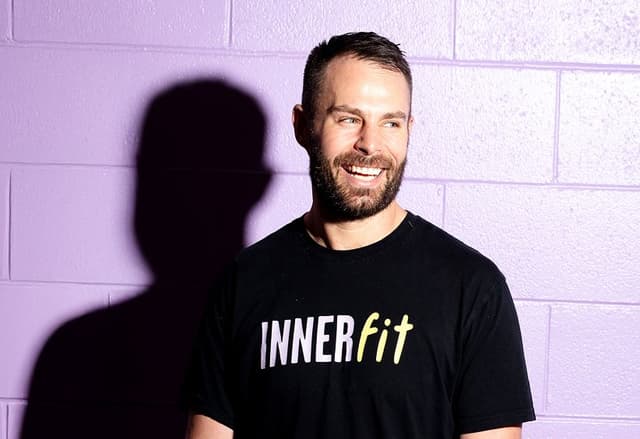
Scott: Director, Coach
“Consistency is the key to success.”
With over 15 years of experience, Scott takes a functional, no-nonsense approach to training—focusing on quality movement, strength, and overall well-being. He loves sharing his knowledge to help clients reach their goals and improve mobility. When he has the time, Scott also enjoys writing about topical fitness and wellness subjects.