
Exercise Physiology for Injury Recovery
- /
- Blog
- /
- Exercise Physiology for Injury Recovery
Published on 24th of March, 2026
Injuries can interrupt training, work, and everyday life. Returning to movement after an injury often brings uncertainty. Many people wonder when it is safe to exercise again and how to rebuild strength without risking further damage.
Exercise physiology plays an important role in injury recovery by guiding people through structured rehabilitation and progressive return to activity.
At InnerFit, exercise physiology programs help individuals regain strength, improve movement, and confidently return to training after injury.
Understanding how exercise physiology supports recovery can help people approach rehabilitation with greater clarity.
Book A 15 Minute Consultation with our Exercise Physiologists
The Difference Between Physiotherapy and Exercise Physiology
Physiotherapy and exercise physiology often work together during the recovery process, but their roles are different.
Physiotherapy usually focuses on diagnosing injuries, reducing acute pain, and restoring basic movement early in rehabilitation.
Exercise physiology focuses on building strength, restoring function, and preparing the body to return to everyday activities or training.
Once pain has reduced and movement has improved, exercise physiology helps bridge the gap between early rehabilitation and full return to activity.
This stage of recovery is where long term strength and resilience are built.
Why Strength Matters After Injury
After an injury, muscles surrounding the affected area often become weaker due to reduced activity or protective movement patterns.
Without rebuilding this strength, joints may remain unstable and more vulnerable to reinjury.
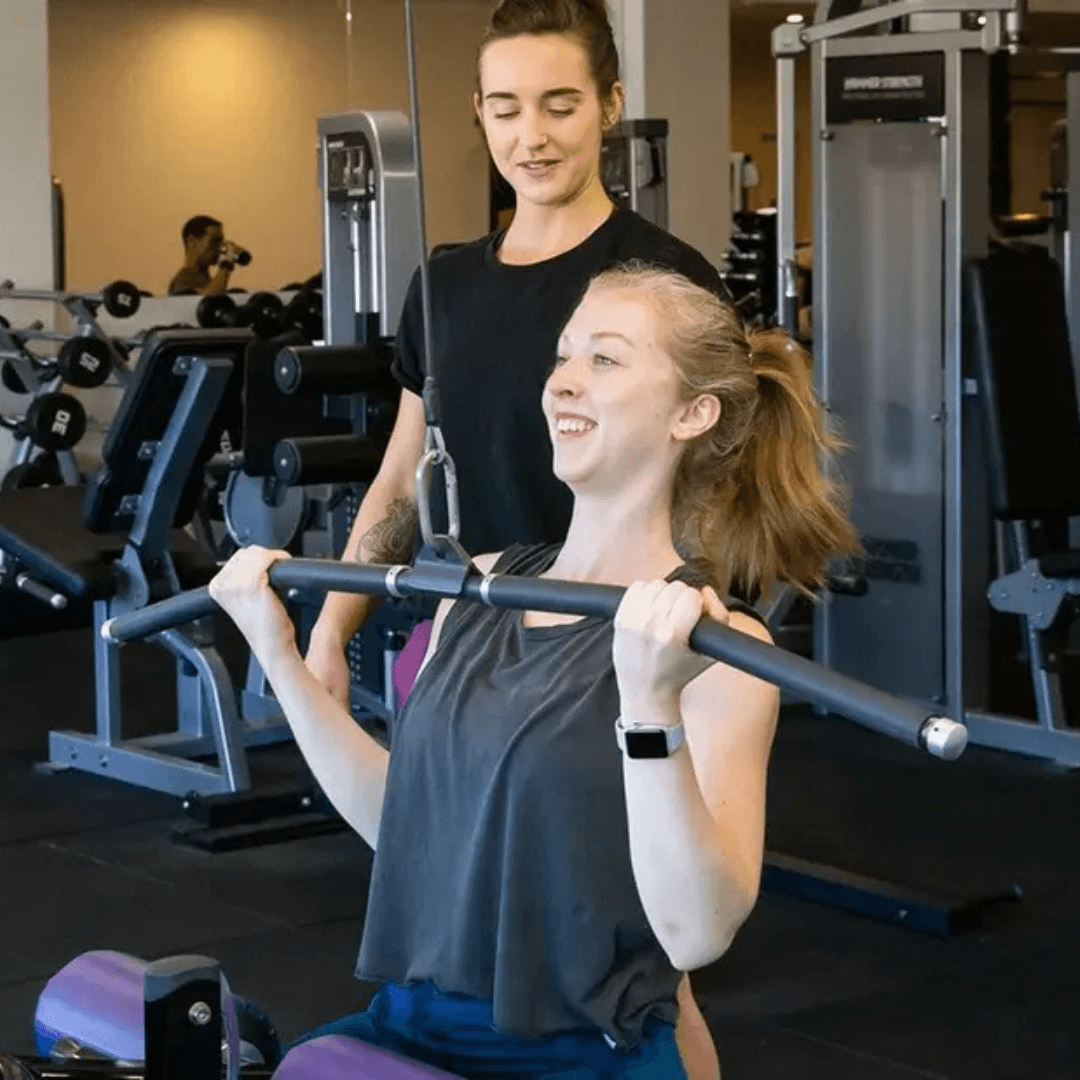
Exercise physiology programs prioritise strengthening the muscles that support injured areas. Strength training improves joint stability, reduces strain on connective tissue, and prepares the body to handle daily movement again.
Strength also improves confidence in movement, which is an important part of recovery.
Gradual Return to Movement
Returning to activity too quickly can increase the risk of setbacks. A structured progression allows the body to adapt safely.
Exercise physiologists design programs that gradually increase load, movement complexity, and training intensity. Early exercises may focus on controlled movements and basic strength.
As recovery progresses, programs evolve to include more challenging movements, functional exercises, and sport or gym specific training.
This step-by-step approach allows people to return to activity without overwhelming recovering tissues.
Preventing Future Injuries
Injury rehabilitation is not only about recovery. It is also about preventing the same problem from happening again.
Exercise physiology programs often identify weaknesses, movement limitations, or imbalances that contributed to the original injury.
Correcting these factors through targeted strength and movement training reduces the likelihood of future setbacks.
Preventive training also improves overall resilience, allowing the body to handle greater loads and physical demands.
Book A 15 Minute Consultation with our Exercise Physiologists
Rebuilding Confidence in Training
After injury, fear of reinjury is common. People may hesitate to lift weights, run, or return to activities they once enjoyed.
Exercise physiology helps rebuild confidence through structured exposure to movement. Exercises start within a safe range and gradually expand as strength and control improve.
Seeing measurable progress helps replace fear with trust in the body’s ability to move and perform again.
Confidence is a crucial part of long term recovery.
Who Can Benefit From Exercise Physiology for Injury Recovery
Exercise physiology is useful for people recovering from a wide range of injuries, including muscle strains, joint injuries, tendon issues, and persistent pain conditions.
It is particularly helpful for individuals who want to return to gym training, sports, or physically demanding work.
Guided rehabilitation ensures recovery progresses in a way that supports both healing and long term strength.
Recovering from injury is not only about reducing pain. It is about rebuilding strength, restoring movement, and preparing the body to handle activity again.
Exercise physiology provides a structured pathway from injury to full return to training. Through gradual progression and targeted strength work, people can recover safely and reduce the risk of reinjury.
With the right guidance, injury recovery becomes an opportunity to build a stronger and more resilient body.
Book A 15 Minute Consultation with our Exercise Physiologists
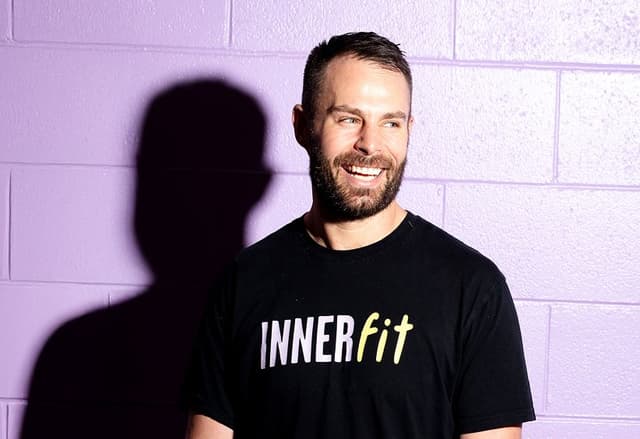
Scott: Director, Coach
“Consistency is the key to success.”
With over 15 years of experience, Scott takes a functional, no-nonsense approach to training—focusing on quality movement, strength, and overall well-being. He loves sharing his knowledge to help clients reach their goals and improve mobility. When he has the time, Scott also enjoys writing about topical fitness and wellness subjects.