
Exercise Physiology at InnerFit: How It Works and Who It Helps
- /
- Blog
- /
- Exercise Physiology at InnerFit: How It Works and Who It Helps
Published on 20th of March, 2026
Exercise is often seen as something people do to get fitter or stronger. However, for many people movement is also an important part of managing injuries, improving long term health, and building confidence after physical setbacks.
Exercise physiology focuses on using structured, evidence based exercise to support people dealing with injuries, chronic pain, health conditions, or movement limitations.
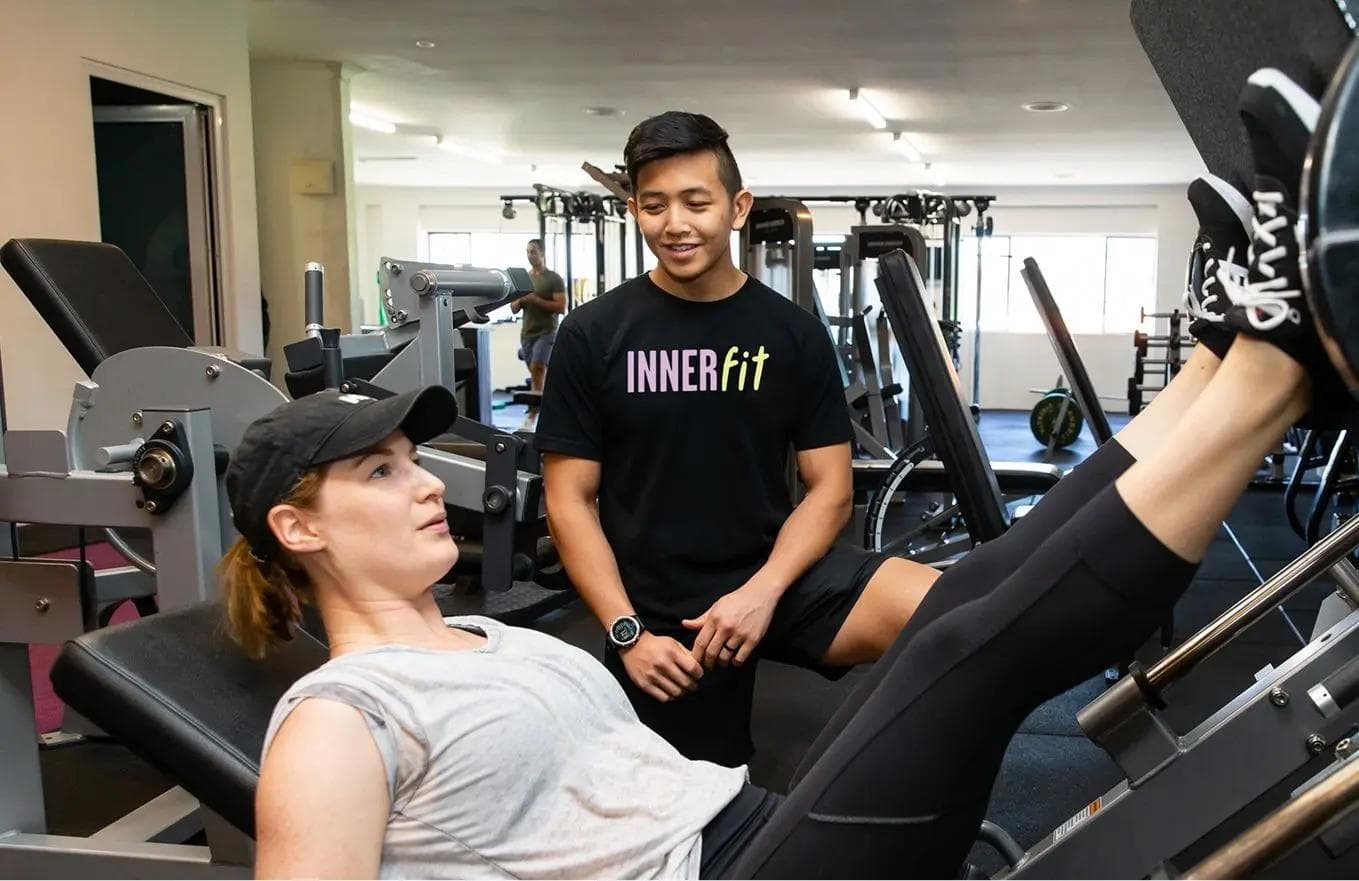
At InnerFit, exercise physiology is designed to bridge the gap between rehabilitation and long term strength training. Members are supported with personalised programs that help them move safely, rebuild strength, and return to training with confidence.
Understanding how exercise physiology works can help people see why it is such a valuable part of a long term fitness and health plan.
Book A 15 Minute Consultation with our Exercise Physiologists
What Is Exercise Physiology?
Exercise physiology is a health service that uses targeted exercise programs to support injury recovery, chronic condition management, and overall physical function.
Unlike general fitness training, exercise physiology focuses on individuals who may be dealing with pain, injuries, or medical conditions that require a structured and supervised approach to exercise.
Exercise physiologists are trained to design programs that improve strength, mobility, and movement patterns while considering a person’s health history and physical limitations.
This makes exercise physiology particularly valuable for people who want to return to exercise but are unsure how to do so safely.
Book A 15 Minute Consultation with our Exercise Physiologists
Who Exercise Physiology Is For
Many people assume exercise physiology is only for athletes recovering from injury. In reality, the service is designed for a much broader range of individuals.
Exercise physiology at InnerFit commonly supports people who are dealing with chronic pain, recovering from injuries, returning to exercise after time away, or managing long term health conditions.
It can also benefit individuals who feel uncertain about training due to recurring discomfort, past injuries, or limited movement confidence.
By focusing on gradual progression and personalised programming, exercise physiology helps people move forward safely and consistently.
How the Process Works at InnerFit
The exercise physiology process at InnerFit begins with an initial consultation. During this session, the exercise physiologist assesses movement patterns, strength, mobility, and any areas of pain or limitation.
The goal is to understand the full picture of how the body is currently functioning.
From there, a personalised exercise program is developed. The program focuses on improving strength, stability, and movement quality while respecting the individual’s current capacity.
Sessions often include controlled strength exercises, mobility work, and functional movements that support everyday activities.
As progress is made, exercises gradually become more challenging. This progressive approach allows the body to adapt safely while building resilience over time.
The Difference Between Exercise Physiology and Personal Training
Exercise physiology and personal training both involve structured exercise, but their focus is different.
Personal training is typically designed for people who want to improve fitness, strength, or body composition.
Exercise physiology focuses more on health conditions, injury recovery, and movement limitations. Programs are designed to support rehabilitation and restore confidence in physical activity.
At InnerFit, exercise physiology often works alongside other services such as strength training, Pilates, and recovery therapies. This integrated approach allows members to transition smoothly from rehabilitation to long term training.
Why Members Value Exercise Physiology
One of the reasons members appreciate exercise physiology is the level of personalisation it provides.
Many people have tried generic workouts or fitness programs that did not account for their injuries or limitations. Exercise physiology removes that uncertainty by creating programs designed specifically for the individual.
Members also benefit from having professional guidance throughout the process. Knowing that exercises are appropriate for their condition helps reduce fear of movement and allows people to progress with confidence.
Over time, this support often leads to improved strength, reduced discomfort, and a greater sense of control over physical health.
Building Strength Safely
A key goal of exercise physiology is helping people rebuild strength without aggravating existing issues.
Strength training plays an important role in injury prevention and long term joint health. However, for people dealing with pain or recovering from injury, jumping straight into intense workouts can increase the risk of setbacks.
Exercise physiology programs focus on gradual strength development. Exercises are introduced at appropriate levels and progressed carefully as the body adapts.
This approach allows members to build capacity without overwhelming the body.
Supporting Long Term Health
Exercise physiology is not only about short term recovery. It also supports long term health and physical independence.
Strength, mobility, and movement quality all influence how people function in daily life. Maintaining these qualities can reduce injury risk, improve posture, and support overall wellbeing.
By focusing on sustainable exercise habits, exercise physiology helps people stay active and capable over the long term.
Book A 15 Minute Consultation with our Exercise Physiologists
Integrating Exercise Physiology With Other Training
One of the strengths of InnerFit’s approach is the ability to integrate exercise physiology with other services.
Members may begin with exercise physiology sessions to address injuries or movement concerns. As strength and confidence improve, they can gradually transition into group training, Pilates, or personal training.
This creates a clear pathway from rehabilitation to long term fitness.
Having all services in one environment also allows communication between coaches and practitioners, ensuring programs remain aligned with each individual’s needs.
Book Today
Exercise physiology provides a structured and supportive pathway for people who want to move better, recover from injury, or manage chronic pain through exercise.
At InnerFit, the service is designed to help members build strength safely, improve movement confidence, and return to training in a sustainable way.
By combining personalised programming with expert guidance, exercise physiology helps people move beyond limitations and build a stronger, more resilient body.
Book A 15 Minute Consultation with our Exercise Physiologists
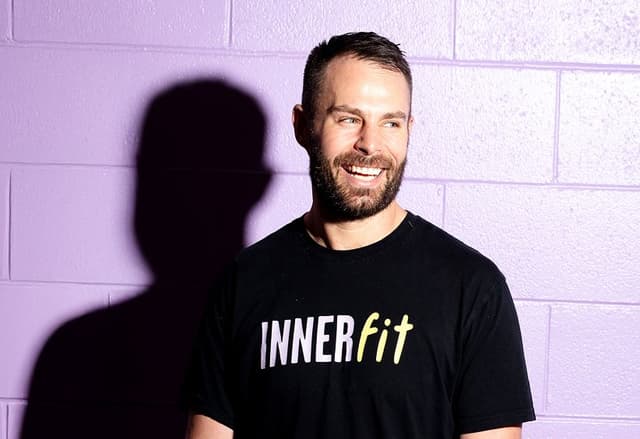
Scott: Director, Coach
“Consistency is the key to success.”
With over 15 years of experience, Scott takes a functional, no-nonsense approach to training—focusing on quality movement, strength, and overall well-being. He loves sharing his knowledge to help clients reach their goals and improve mobility. When he has the time, Scott also enjoys writing about topical fitness and wellness subjects.