
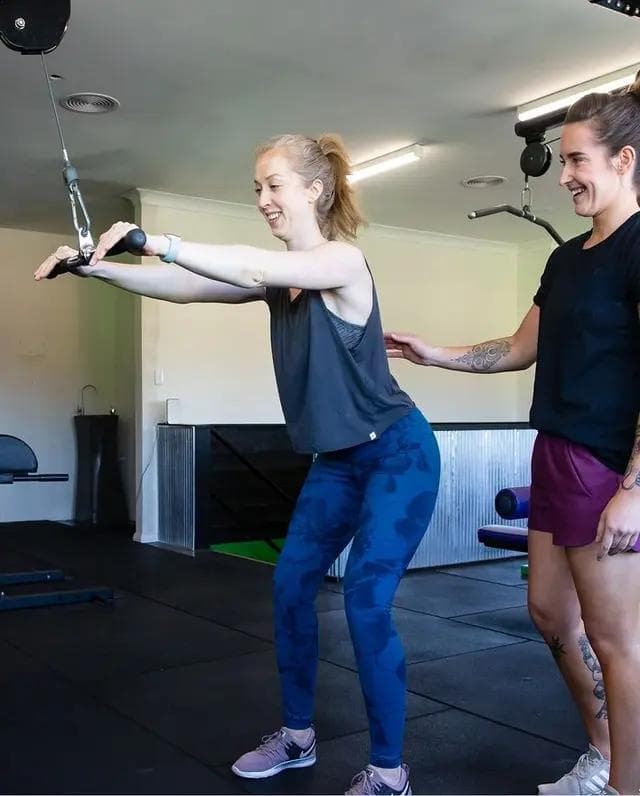
Can Exercise Help Chronic Pain? What the Research Shows
- /
- Blog
- /
- Can Exercise Help Chronic Pain? What the Research Shows
Published on 25th of March, 2026
Chronic pain affects millions of people and is one of the most common reasons people reduce activity or stop exercising altogether. Persistent pain can affect work, sleep, mood, and confidence in movement. Many people assume rest is the best approach, but research increasingly shows that the right type of exercise can be one of the most effective tools for managing chronic pain.
Exercise physiology focuses on using structured movement and strength training to support health conditions, injuries, and pain management. At InnerFit, exercise physiology programs are designed to help people move safely, rebuild strength, and regain confidence in their bodies.
Understanding how exercise supports chronic pain can help people take a more active role in recovery.
Apprehending Chronic Pain
Chronic pain is typically defined as pain that lasts longer than three months. Unlike acute injuries that heal over time, chronic pain often continues even after the original injury has resolved.
Common conditions that involve chronic pain include lower back pain, neck pain, arthritis, tendon injuries, and persistent joint discomfort. In many cases, pain becomes linked to changes in how the nervous system processes signals from the body.
Pain does not always mean damage is occurring. The body can become more sensitive to movement or stress, which means activities that once felt normal may begin to trigger discomfort.
This is where structured exercise can play a powerful role.
Why Movement Helps With Pain Management
For many people living with chronic pain, avoiding movement feels like the safest option. However, prolonged inactivity can lead to muscle weakness, reduced joint stability, and increased sensitivity to movement.
Exercise helps address these issues by gradually restoring strength, mobility, and confidence.
Regular movement improves circulation and delivers nutrients to muscles and joints. Strength training supports joint stability and reduces strain on surrounding tissues. Exercise also stimulates natural pain regulating systems in the body, helping reduce sensitivity over time.
Research consistently shows that structured exercise programs can reduce pain levels, improve function, and enhance quality of life for people with chronic conditions.
The key is using the right approach.
Why Structured Exercise Is Important
Not all exercise programs are suitable for people experiencing chronic pain. Random workouts or overly intense training can increase discomfort and reinforce fear of movement.
Exercise physiology focuses on structured, progressive programs designed around an individual’s condition and goals. Instead of pushing through pain, programs gradually reintroduce movement in a controlled and supportive way.
Exercises are chosen to strengthen areas that support joints, improve movement patterns, and build tolerance to physical activity. Over time, this allows people to do more without triggering excessive pain.
Progression is gradual and tailored to each person’s capacity.
Book A 15 Minute Consultation with our Exercise Physiologists
Building a Chronic Pain Exercise Program
A chronic pain exercise program typically includes several key elements.
Strength training is used to build support around joints and reduce unnecessary strain during movement. Improving strength often reduces the load placed on painful structures.
Mobility and movement control exercises help restore natural movement patterns. This can reduce stiffness and improve how the body handles everyday activities.
Low impact aerobic exercise supports circulation, general fitness, and energy levels. Walking, cycling, or controlled conditioning can be useful tools.
Education also plays a major role. Understanding how pain works helps reduce fear and improves confidence in movement.
Exercise physiologists use these components to create programs that gradually increase activity levels without overwhelming the body.
Why Progression Matters
One of the biggest challenges with chronic pain is finding the right balance between activity and recovery.
Doing too little can lead to further deconditioning. Doing too much too quickly can increase symptoms and create setbacks.
A progressive exercise approach solves this problem by slowly increasing demand. Exercises may start with light loads, simple movements, or shorter durations. As tolerance improves, strength and complexity increase.
This gradual progression helps retrain the nervous system and rebuild physical capacity.
Over time, people often find they can return to activities they once avoided.
The Role of an Exercise Physiologist
Exercise physiologists specialise in using movement to manage health conditions, injuries, and chronic pain.
Working with an exercise physiologist allows programs to be tailored to specific conditions such as back pain, arthritis, tendon injuries, or long term musculoskeletal issues.
Sessions focus on building strength safely, improving movement confidence, and helping people return to activities that matter to them.
For many people, this guidance provides reassurance that exercise can be performed safely and effectively.
Book A 15 Minute Consultation with our Exercise Physiologists
When to Seek Professional Support
Some people with chronic pain can begin gentle exercise on their own. Others benefit from professional support, particularly when pain has persisted for a long time or when movement feels uncertain.
An exercise physiologist can help assess current capacity, identify movement limitations, and design a program that supports gradual improvement.
This approach helps reduce fear around activity and replaces uncertainty with a clear plan for progress.
Get Support
Chronic pain does not mean exercise is off limits. In many cases, the right type of exercise can help reduce pain, improve strength, and restore confidence in movement.
Structured programs that progress gradually allow the body to adapt safely and rebuild capacity over time.
With the right guidance and consistency, exercise can become one of the most effective tools for managing chronic pain and improving quality of life.
Book A 15 Minute Consultation with our Exercise Physiologists
Scott: Director, Coach
“Consistency is the key to success.”
With over 15 years of experience, Scott takes a functional, no-nonsense approach to training—focusing on quality movement, strength, and overall well-being. He loves sharing his knowledge to help clients reach their goals and improve mobility. When he has the time, Scott also enjoys writing about topical fitness and wellness subjects.